
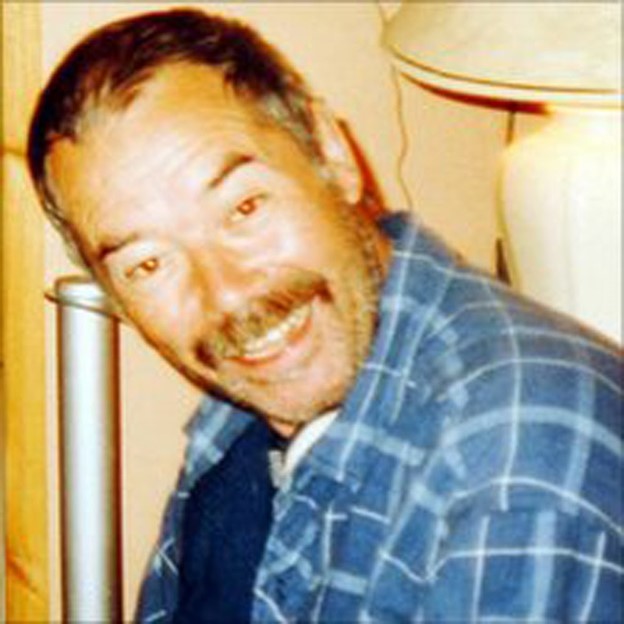

From 1975 through 1980, the Yorkshire Ripper murdered at least 13 women and attempted to murder ten others.[1]Troublingly, police were distracted by a man who we now know falsely claimed to be the Yorkshire Ripper in three letters and a cassette tape recording between 1978 and 1979.[2]
Dubbed “Wearside Jack” by the British press, this hoax led police to pursue suspects who possessed the Wearside/Geordie accent unique to the Castletown area of Sunderland revealed on the cassette tape. They also ignored other stronger suspects including the actual Ripper himself, Peter Sutcliffe, who was questioned by police on nine separate occasions, because he did not have a Geordie accent.
Yorkshire police ended up investigating over 40,000 men and spending over £1 million on a nationwide publicity campaign that included ‘Dial-the-Ripper’ hotlines, 5,000 billboards, and advertisements in over 300 newspapers. Most disturbing of all, an additional six women were murdered because of the hoax.[3]
In 2006, John Samuel Humble was convicted of perverting the course of justice and sentenced to eight years in prison for the Wearside Jack hoax. Ultimately, Humble was caught because of DNA evidence collected from one of his envelopes. But there was also a linguistic DNA contained inside of those envelopes and on that cassette tape which D.A.T.A. can analyze.
Deception And Truth Analysis of Wearside Jack
Wearside Jack’s three letters and recording were sent:
- 8 March 1978, letter one
- 13 March 1978, letter two
- 29 March 1979, letter three
- 17 June 1979, cassette recording
In 1979 the US Federal Bureau of Investigation along with profiler Robert Ressler all informed Yorkshire police that the letters and the tape were blatant hoaxes. Sadly, Yorkshire police ignored these warnings. Eventually the dialectologists who had helped narrow down the neighborhood of the hoaxer tried to persuade police that it was likely a hoax, too. But again, to no avail. In short, Yorkshire police wanted to believe in the authenticity of the communications and their confirmation bias resulted in the additional deaths of six women and the wasting of over £1 million.
As an exercise, we ran the Wearside Jack letters and the transcript of his cassette tape recording through our algorithm to assess each of the above communications for their level of deceptiveness and truthfulness. Each of the documents has a D.A.T.A. Score of around -10%. DATA Scores range between -100% (deceptive) to +100% (truthful), it may seem that these comms are only mildly deceiptive. But extreme DATA Scores are rare. An aggregate DATA Score of ~-10% still means that they are in the 18th-percentile and that 82% of documents tend to score as more truthful.
Obviously there is no guarantee that Yorkshire police would have listened to D.A.T.A.’s assessments given their confirmation bias, but at least our Clients would not have been fooled.
[1]“Peter Sutcliffe.” Wikipedia. https://en.m.wikipedia.org/wiki/Peter_Sutcliffe Accessed 14 June 2022
[2]“Wearside Jack.” Wikipedia. https://en.m.wikipedia.org/wiki/Wearside_Jack Accessed 14 June 2022
[3]“The Yorkshire Ripper The English Serial Killer, Known as Peter William Sutcliffe: The Victims of the Yorkshire Ripper.” TheYorkshireRipper.co.uk https://www.theyorkshireripper.co.uk/the-victims Accessed 14 June 2022

0 Comments